

Recommendations
🗣️ "I got into esports the way most people get into football - a mate put it on, I had no clue what was happening, and twenty minutes later I was shouting at the screen. That was a Dota 2 International final back in 2018. Haven't looked back since. It's raw competition mixed with ridiculous mechanical skill, and honestly? The storylines rival anything on Netflix."
"What really keeps me hooked is the crossover between gaming culture and money - who's funding what, which orgs are bluffing, and where the audience is actually going. I cut my teeth watching StarCraft II VODs at uni, moved on to League of Legends, and now I split my time between Dota and whatever new tactical shooter's making noise. Off-duty, I'm usually deep in a Total War campaign, rewatching 'Peep Show' for the hundredth time, or halfway through some beat-up paperback thriller I grabbed at a charity shop."
Education
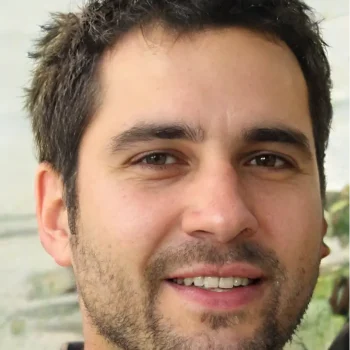
James Thornton got his degree in Media and Communications from a red-brick uni up north. He says the course itself was fine - but the real education happened running the campus gaming society and arguing about roster changes in the student bar until closing time.
The modules that left a mark were audience research and digital media production. He still draws on that stuff when he's picking apart how a broadcast team frames a tournament narrative. During his final year he also did a dissertation on sponsorship visibility in live-streamed events - proper niche, but it opened a few doors. He reckons formal education gives you the vocabulary, but you've got to fill in the gaps yourself.
Expertise
Ask James what he does and he'll tell you he watches people play video games for a living - then spend the next forty minutes explaining why it's more complicated than that. He treats competitive gaming like a media industry, not just a hobby. Broadcast rights, audience retention, talent pipelines - that's the stuff he actually cares about.
Most of his work sits at the intersection of content and commerce. Why did one tournament pull 2 million concurrent viewers while another barely cracked 300k? What makes a team's rebrand land or flop? He digs into viewership data, social media trends, and sponsorship deals looking for the real story behind the numbers. His core beats:
- Broadcast strategy and production quality in esports events
- Viewership trends - what's growing, what's quietly dying
- Talent and roster moves across Dota 2, League of Legends, and tactical shooters
- Sponsorship ROI and brand-audience fit in gaming
- How narrative and storytelling drive fan loyalty in competitive scenes